Vitiligo in Black Skin: Understanding a Condition That’s Often More Visible — and More Isolating
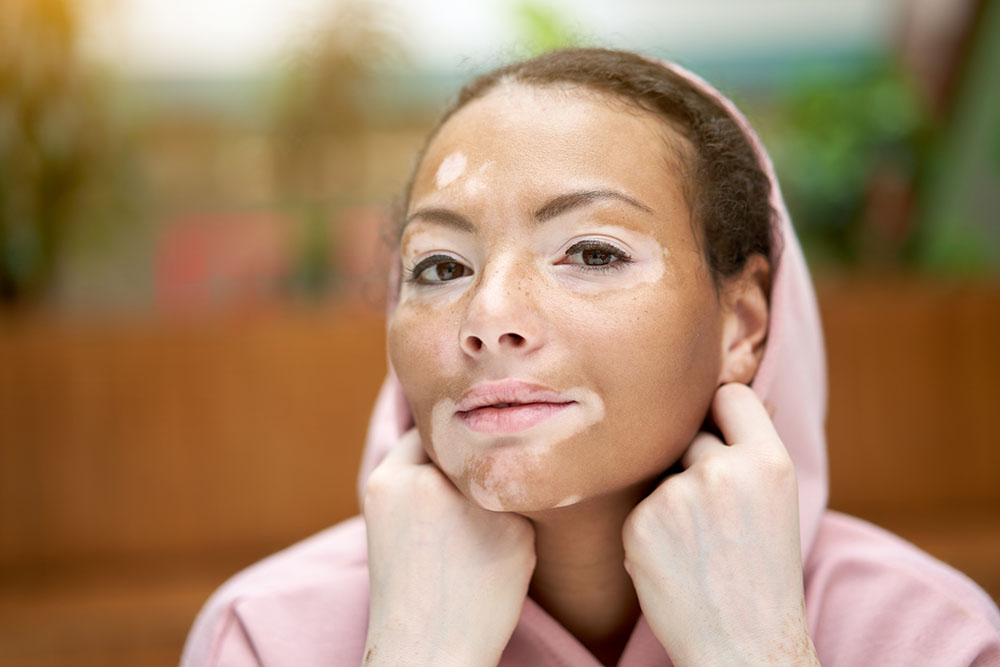
Vitiligo in Black skin creates a level of contrast that makes the condition especially noticeable, and often more emotionally difficult to live with, than it may be for people with lighter skin tones. Understanding what’s actually happening, and what treatment can realistically achieve, is the first step toward managing it with confidence.
What Vitiligo Actually Is
Vitiligo is an autoimmune condition in which the immune system mistakenly attacks melanocytes, the cells responsible for producing pigment. As these cells are destroyed, the affected areas of skin lose their color entirely, resulting in smooth, white patches. It’s not contagious, it’s not caused by anything the person did, and it can appear at any age, though it often first shows up before age 30.
Why Vitiligo Is More Noticeable in Black Skin
Because vitiligo removes pigment entirely rather than just lightening it, the contrast between affected and unaffected skin is naturally more dramatic on deeper skin tones. This visibility can carry a heavier emotional and social weight, and patients with vitiligo in Black skin often report more distress, self-consciousness, and impact on quality of life than the condition’s physical symptoms alone would suggest. Support for the psychological impact is just as important as treating the skin itself.
How Vitiligo Progresses
Vitiligo is unpredictable. In some people, it stays limited to one or two small patches for years. In others, it spreads gradually or in sudden episodes, sometimes triggered by stress, skin trauma, or sunburn in a previously unaffected area (a phenomenon called the Koebner response). There’s currently no way to predict with certainty how a given person’s vitiligo will progress, which is part of why ongoing monitoring with a dermatologist matters.
Common Areas Vitiligo Affects
Vitiligo often starts around the eyes, mouth, hands, or areas of frequent friction, though it can appear anywhere on the body, including inside the mouth or in the hair. Patches are usually symmetrical, appearing in similar locations on both sides of the body, though this isn’t universal.
Treatment Options for Vitiligo in Black Skin
While there’s no outright cure, several treatment approaches can help restore pigment or improve the skin’s overall appearance. These include topical corticosteroids or calcineurin inhibitors to encourage repigmentation in early or localized patches, phototherapy (narrowband UVB), which is one of the most effective options for many patients and works especially well when started early, newer topical JAK inhibitor treatments, which have shown strong results in recent years for repigmentation, and camouflage options like specialized makeup or self-tanners for patients who want an option that doesn’t involve ongoing treatment. Because vitiligo in Black skin can be more visually striking, patients are sometimes more motivated to pursue active treatment rather than simply monitoring it — but that decision is a personal one, and a good dermatologist should offer all realistic paths rather than pushing any one option.
Getting an Evaluation in Decatur or Stockbridge
If you’re noticing new light patches of skin or have been managing vitiligo without much success, it’s worth getting an evaluation from a dermatologist experienced in treating pigmentary conditions in melanin-rich skin. Both our Decatur and Stockbridge offices offer treatment plans tailored to how vitiligo presents and progresses in Black skin specifically.
Related Pages
For more on how skin conditions present and get treated in melanin-rich skin, visit: Black Dermatologist Decatur or Black Dermatologist Stockbridge.
Ready to Talk About Treatment Options?
Schedule a consultation at our Decatur or Stockbridge office and explore what’s realistically possible for managing your vitiligo.