Keratosis Pilaris Black Skin: Understanding, Treating, and Preventing “Chicken Skin” with Dr. David Bryant
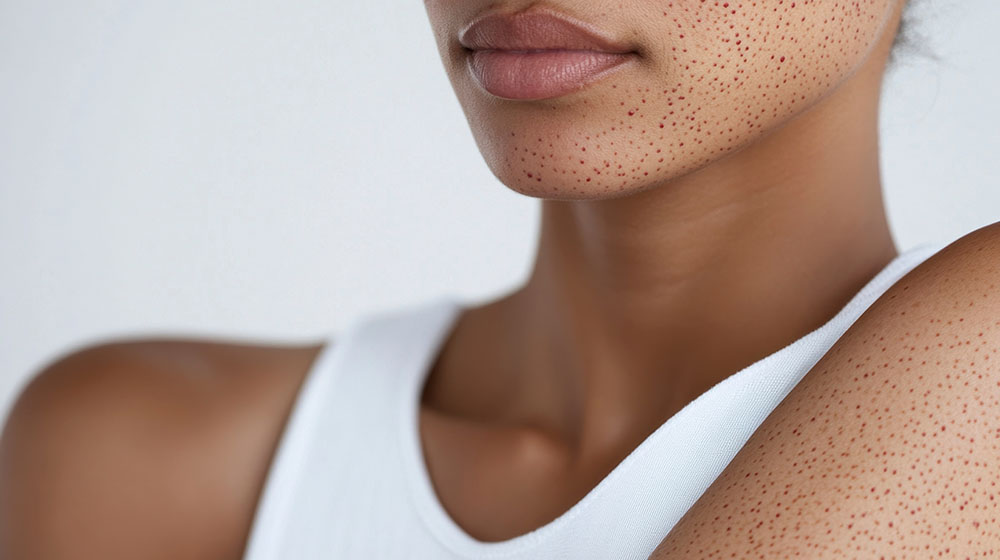
If you’ve noticed small, rough bumps on your arms, thighs, or cheeks that feel like sandpaper, you may be dealing with keratosis pilaris black skin—a harmless but often frustrating skin condition. On Black skin, these bumps can appear darker and more noticeable, sometimes leaving behind uneven tone or hyperpigmentation.
At World’s Famous Dermatologist, located just a short drive from Stockbridge, GA, Dr. David Bryant—a nationally recognized Black dermatologist specializing in Black and ethnic skin—provides expert care for patients struggling with keratosis pilaris on Black skin. His approach combines advanced dermatologic science with a deep understanding of how melanin-rich skin behaves, ensuring safe and effective results.
What Is Keratosis Pilaris?
Keratosis pilaris (KP), often called “chicken skin,” is a common condition that occurs when keratin, a natural protein that protects the skin, builds up and blocks hair follicles. This results in tiny, rough bumps that can feel dry or slightly itchy.
While KP is harmless, it can be bothersome—especially for individuals with Black or brown skin, where inflammation may lead to visible hyperpigmentation (dark spots).
Common areas affected include:
Upper arms
Thighs
Cheeks
Buttocks
Occasionally, the forearms or back
On lighter skin, KP may appear red or pink. However, keratosis pilaris on Black skin tends to look brownish-black, gray, or even slightly purplish, depending on your undertone.
Why Keratosis Pilaris Appears Differently on Black Skin
Melanin—the pigment responsible for skin color—affects how inflammation and irritation appear. In Black and ethnic skin, inflammation doesn’t usually cause visible redness. Instead, the skin may darken (hyperpigmentation) or, in some cases, lighten (hypopigmentation).
Here’s how keratosis pilaris on Black skin often differs from lighter skin tones:
Bumps: Small, dry, and rough; may feel like goosebumps or sandpaper.
Color: Bumps may be brown, black, or the same color as the skin.
Texture: The surrounding skin may appear dry or slightly ashy.
Post-irritation: Scratching or scrubbing can lead to dark spots, worsening uneven skin tone.
Because of these unique characteristics, it’s important to seek care from a Black dermatologist who understands how to manage KP safely on melanin-rich skin.
Causes and Risk Factors for Keratosis Pilaris
Keratosis pilaris is not caused by poor hygiene—it’s simply a genetic skin condition. However, certain factors can make it more noticeable or widespread.
Common causes include:
Keratin buildup: Dead skin cells block hair follicles, creating small plugs.
Dry skin: Lack of moisture makes the bumps more visible and rough.
Genetics: If one or both parents have KP, you’re more likely to develop it.
Atopic dermatitis (eczema): People with eczema-prone skin often have KP as well.
Hormonal changes: Puberty, pregnancy, and menopause can influence KP flare-ups.
Environmental factors: Cold or dry weather can make KP worse.
Dr. Bryant emphasizes that while KP is not curable, it can be successfully managed with consistent care and professional treatment.
Managing Keratosis Pilaris on Black Skin
Because keratosis pilaris on Black skin often leads to hyperpigmentation, it’s crucial to take a gentle and strategic approach. Over-exfoliating or using harsh scrubs can worsen discoloration. Instead, focus on hydration, gentle exfoliation, and barrier repair.
1. Daily Moisturizing
Dryness makes KP more noticeable. Apply a rich, hydrating moisturizer right after showering to lock in moisture.
Look for ingredients such as:
Lactic acid or urea (to gently exfoliate and soften skin)
Ceramides (to restore the skin barrier)
Shea butter (to deeply nourish and soothe)
At World’s Famous Dermatologist, Dr. Bryant often recommends fragrance-free medical-grade moisturizers specifically formulated for Black skin.
2. Use Gentle Cleansers
Avoid soaps and cleansers that strip natural oils from your skin. Instead, choose a pH-balanced, non-soap cleanser.
Dr. Bryant advises using lukewarm water instead of hot water when bathing or showering. Hot water can worsen dryness and irritation, leading to more noticeable bumps and discoloration.
3. Chemical Exfoliation Instead of Physical Scrubs
While it may be tempting to scrub away rough bumps, physical exfoliants like loofahs or scrubs can inflame hair follicles and cause post-inflammatory hyperpigmentation.
Instead, use chemical exfoliants containing alpha-hydroxy acids (AHAs) or beta-hydroxy acids (BHAs).
Effective ingredients include:
Lactic acid – gently removes dead skin and smooths texture
Glycolic acid – promotes cell turnover and helps fade dark spots
Salicylic acid – clears clogged follicles and reduces inflammation
These ingredients are available in creams, serums, or body lotions. Dr. Bryant and his team at the Black medspa can help select the right strength and formulation for your skin tone and sensitivity level.
4. Avoid Scratching or Picking
One of the most common mistakes patients make is trying to “pop” the bumps or aggressively exfoliate. This can lead to dark spots, scarring, or even keloid formation in severe cases.
Gentle, consistent care will yield smoother, even-toned results over time.
5. Professional Treatments for Keratosis Pilaris
If home treatments aren’t improving your skin, professional dermatologic care can make a significant difference—especially when guided by a Black dermatologist who understands your skin’s unique needs.
At World’s Famous Dermatologist, Dr. David Bryant offers several in-office treatments for keratosis pilaris on Black skin, including:
Chemical Peels for Textural and Pigment Correction
Mild to moderate chemical peels with lactic or glycolic acid can help remove excess keratin, smooth rough skin, and fade hyperpigmentation. These treatments are customized for darker skin tones to prevent irritation or post-inflammatory pigmentation.
Aerolase Laser Therapy
The Aerolase Neo Elite laser, a favorite tool of Dr. Bryant’s practice, is safe and effective for Black and ethnic skin. It helps reduce inflammation, smooth texture, and even out pigmentation—all without damaging the skin’s surface or risking burns.
Microneedling with PRP
For patients with uneven texture or dark spots left behind from KP irritation, microneedling with platelet-rich plasma (PRP) can stimulate collagen production and encourage healthy skin renewal.
Customized Medical-Grade Skincare
Dr. Bryant and his Black estheticians design individualized skincare regimens using medical-grade products formulated for melanin-rich skin. These include gentle exfoliants, brightening agents, and nourishing moisturizers to maintain smoothness and prevent flare-ups.
How to Prevent Keratosis Pilaris Flare-Ups
While KP cannot be permanently cured, you can reduce its appearance and prevent flare-ups with proper maintenance:
Moisturize daily, even when your skin feels smooth.
Avoid harsh soaps or scrubs that strip the skin.
Exfoliate gently 2–3 times per week using mild acids.
Stay hydrated—drinking plenty of water keeps skin supple.
Humidify your space—especially in winter, to reduce dryness.
See a dermatologist regularly for professional guidance and to monitor pigment changes.
The Importance of Seeing a Black Dermatologist
Because keratosis pilaris on Black skin can lead to pigmentation issues or scarring if not treated properly, finding a dermatologist experienced in Black dermatology is essential.
Unfortunately, African Americans make up only 3% of dermatologists in the U.S., leaving many patients without access to culturally competent care.
That’s why Dr. David Bryant, founder of World’s Famous Dermatologist in Stockbridge, GA, is so highly regarded. As a trusted Black dermatologist, Dr. Bryant and his skilled team of Black estheticians and skincare specialists understand the unique physiology and needs of Black and ethnic skin.
Their clinic provides a safe, inclusive environment for advanced skincare, whether you’re managing KP, acne, hyperpigmentation, or other dermatologic concerns.
Serving Stockbridge and South Atlanta
Located in Stockbridge, GA, World’s Famous Dermatologist proudly serves patients from South Atlanta and surrounding communities, including Fayetteville, McDonough, Jonesboro, Decatur, and College Park.
Whether you’re visiting for keratosis pilaris treatment, scar revision, or customized skincare, Dr. Bryant’s Black medspa combines cutting-edge technology with compassionate, culturally informed care.
Book an Appointment with Dr. David Bryant Today
If you’re struggling with keratosis pilaris on Black skin, don’t let rough texture or discoloration affect your confidence. Schedule a consultation with Dr. David Bryant at World’s Famous Dermatologist for personalized treatment designed for your skin tone and texture.
Visit www.worldsfamousdermatologist.com to learn more or book your appointment today.