Keloid Removal Black Skin: Why Stonecrest Patients Trust Dr. David Bryant
Keloids are one of the most challenging skin concerns affecting people with richly melanated skin. For many individuals with Black skin, keloids can form after acne, piercings, surgery, or even minor cuts—often creating raised, thick, and sometimes painful scars that continue to grow beyond the original wound. If you live near Stonecrest, GA and are seeking a specialist who truly understands how keloids behave on Black and ethnic skin, you’re not alone. Keloid removal Black skin.
At World’s Famous Dermatologist, located just a short drive away in Decatur, GA, patients from Stonecrest and all over Atlanta trust Dr. David Bryant, a leading Black dermatologist known for his deep expertise in treating skin of color. With advanced techniques, culturally competent care, and a Black medspa experience tailored to the needs of African American skin, Dr. Bryant has become one of the most sought-after experts for safe and effective keloid removal Black skin.
Understanding Keloids: Why They Affect Black Skin More Often
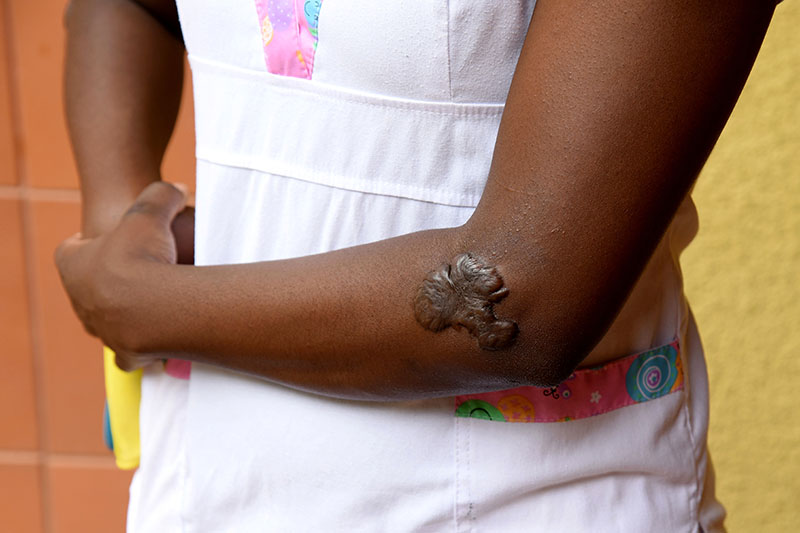
Keloids are not just scars—they are overgrowths of collagen that continue to expand beyond the boundary of a wound. They may appear:
Thick
Raised
Shiny
Itchy or painful
Pink, brown, or darker than the surrounding skin
Research shows that keloids disproportionately affect people with melanin-rich skin, especially those of African, African American, Afro-Caribbean, and Hispanic descent. This genetic predisposition means that Black patients often require specialized care from a provider who understands their skin biology.
According to the American Academy of Dermatology, African Americans make up only about 3% of the dermatology workforce in the U.S. This major underrepresentation makes it difficult for patients with skin of color to find a dermatologist experienced in diagnosing and treating their unique skin conditions—including keloids.
This is exactly why so many patients near Stonecrest, GA choose a Black dermatologist like Dr. David Bryant for truly personalized, expert keloid care.
Why Keloid Removal Requires a Specialist in Black Dermatology
Treating keloids safely requires more than general dermatology knowledge—it requires an understanding of how Black skin responds to inflammation, injury, and treatment.
Improper treatment can worsen the condition, leading to:
Hyperpigmentation
Hypopigmentation
Keloid recurrence
Larger scars
Skin texture irregularities
Many patients come to World’s Famous Dermatologist after failed treatments elsewhere—including laser therapies that worsened pigmentation, steroid injections that were done improperly, or surgical removals that caused the keloid to grow back even larger.
keloid removal Black skin- This is why choosing a dermatologist who specializes in Black and ethnic skin is essential—not optional—when dealing with keloids.
Why Stonecrest Patients Trust Dr. David Bryant for Keloid Removal
1. Deep Expertise in Black Dermatology
Dr. David Bryant is nationally recognized for his work with melanin-rich skin. His approach is grounded in both medical research and real-world experience treating thousands of patients with skin of color.
Patients from Stonecrest appreciate that he understands:
How keloids develop in Black skin
Which treatment combinations minimize recurrence
How to prevent pigmentation loss or darkening
Cultural considerations around hair care, skincare, and lifestyle
This level of understanding simply isn’t common in many dermatology practices.
2. Customized Treatment Plans for Keloids
No two keloids are the same. Dr. Bryant evaluates:
Size
Depth
Patient skin tone
Location (chest, ear, jawline, shoulders are most common)
Previous treatments
Patient goals
From there, he creates a personalized keloid management plan, often combining multiple techniques for the safest, most successful results.
3. Access to a Full Black Medspa Experience
Stonecrest patients love that World’s Famous Dermatologist combines medical-grade dermatology with a Black esthetician team trained in treating skin of color. The environment is culturally centered, inclusive, and designed to make Black patients feel seen, valued, and understood.
4. Convenient Location for Stonecrest Residents
Located just minutes away in Decatur, GA, the practice serves:
Stonecrest
Conyers
Ellenwood
Decatur
Patients enjoy easy access without needing to travel far for expert-level ethnic skin care.
5. A Reputation Built on Trust and Results
Keloid removal requires consistency and follow-up, which means patients want a dermatologist who delivers. Dr. Bryant’s reviews and reputation continue to position him as a leading choice for those seeking safe, effective, and culturally competent treatment-keloid removal Black skin.
Effective Keloid Removal Options for Black Skin
Keloid treatment must be executed skillfully to avoid recurrence. Below are the most commonly recommended treatments offered by Dr. David Bryant.
1. Corticosteroid Injections
One of the most effective first-line treatments, steroid injections reduce inflammation and flatten the keloid over time.
Benefits:
Minimally invasive
Reduces itching & pain
Softens raised scar tissue
Works well when combined with other treatments
2. Surgical Removal (Excision)
For larger or more aggressive keloids, Dr. Bryant may surgically remove the growth.
Because Black skin is prone to recurrence, surgery alone is never the only treatment. It is usually paired with:
Steroid injections
Radiation
Silicone sheeting
Pressure therapy
This multi-step approach drastically reduces the risk of the keloid returning.
3. Cryotherapy for Small Keloids
Liquid nitrogen is used to freeze and flatten small keloids. However, cryotherapy carries a risk of hypopigmentation on dark skin, so Dr. Bryant uses it selectively and safely.
4. Laser Therapy (Used With Caution on Black Skin)
Not all lasers are safe for melanated skin. Dr. Bryant uses only skin-of-color friendly lasers when suitable.
They may help with:
Redness
Texture
Dark marks surrounding the keloid
Laser therapy is rarely used alone and is often combined with other medical treatments.
5. Radiation Therapy After Removal
For extremely persistent keloids, low-dose superficial radiation may be recommended after surgical excision. This helps prevent the keloid from growing back.
Not every patient is a candidate, but for the right case, radiation significantly reduces recurrence rates.
6. Silicone Gel or Silicone Sheets
Silicone is a long-standing, evidence-based approach to reducing:
Inflammation
Raised scar texture
Recurrence
keloid removal Black skin –Personalized instructions help ensure patients use silicone correctly for maximum benefit.
Why Cultural Competency Matters in Keloid Treatment
Because keloids affect Black skin more often—and present differently than in non-Black skin—patients deserve a dermatologist who understands both the medical and cultural aspects of their care.
Many Stonecrest patients choose Dr. Bryant because he:
Understands hair-care practices (e.g., piercings, grooming habits, shaving methods) that may trigger keloids
Recognizes genetic tendencies common in Black families
Respects the emotional and psychological impact of visible keloids
Avoids treatment methods that could worsen pigmentation
Creates safe, long-term treatment and prevention strategies
This level of care is why patients trust their skin with a Black dermatologist who specializes in it.
Preventing Keloids on Black Skin: Tips from Dr. Bryant
Stonecrest patients often ask how to reduce the risk of new keloids. Here are Dr. Bryant’s top recommendations:
Avoid unnecessary piercings if you’re prone to keloids
Skip tattoos in high-risk areas
Treat acne early to prevent scarring
Protect wounds immediately
Do not pick scabs or acne lesions
Avoid harsh skincare products that cause inflammation
Seek professional help at the earliest sign of scar overgrowth
Prevention is often easier than treatment—especially for people with highly reactive skin.
Keloid Removal Near Stonecrest, GA: Visit Dr. David Bryant Today
If you’re struggling with keloids and want to feel confident in your skin again, World’s Famous Dermatologist offers the most advanced, culturally competent keloid treatment in the Atlanta area-keloid removal Black skin.
As one of the nation’s leading Black dermatologists specializing in skin of color, Dr. David Bryant delivers exceptional results with compassion, expertise, and a deep commitment to treating melanated skin safely.
Serving Stonecrest and Surrounding Areas:
Stonecrest
Lithonia
Conyers
Ellenwood
Decatur
Atlanta
South Atlanta
If you are ready to reduce or remove your keloids safely, professionally, and with a dermatologist who truly understands Black skin, schedule your appointment today.