Dermatosis Papulosa Nigra Removal Options: Safe DPN Treatment for Black Skin
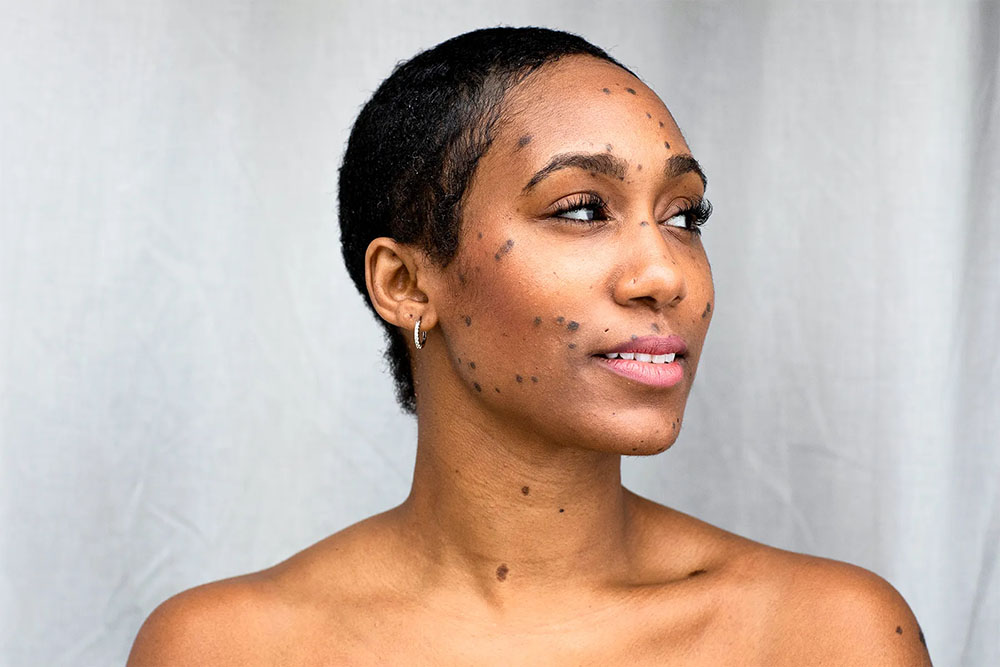
Dermatosis papulosa nigra—often referred to simply as DPN—is a common skin condition primarily affecting people with Black and brown skin. These small, dark, raised bumps typically appear on the cheeks, forehead, temples, neck, and upper torso. While harmless, many people find DPN cosmetically bothersome, especially as the bumps increase in number with age.
If you’re searching for dermatosis papulosa nigra removal options, it’s essential to choose methods that are safe for melanin-rich skin. Because DPN occurs almost exclusively in individuals with darker skin tones, you need a dermatologist who specializes in Black dermatology and understands how to remove these lesions without causing unnecessary scarring or discoloration.
At World’s Famous Dermatologist in Stockbridge, GA, Dr. David Bryant—a renowned Black dermatologist specializing in ethnic skin—provides the safest, most advanced removal options for DPN. Patients across South Atlanta trust his expertise to achieve smoother, clearer skin while minimizing the risk of hyperpigmentation.
What Is Dermatosis Papulosa Nigra (DPN)?
DPN is a benign skin condition closely related to seborrheic keratoses. These small bumps are:
Usually brown or black
Smooth or slightly rough
Typically painless
Gradually increasing in number with age
More common in individuals with deep skin tones
While anyone can develop them, DPN most commonly affects people of African, Afro-Caribbean, Hispanic, and Asian descent.
Many patients first notice DPN in their late teens or twenties, and the bumps may become more prominent over time. Though harmless medically, many people choose professional removal for cosmetic reasons.
Why You Need a Specialist in Black Dermatology for DPN Removal
Treating DPN incorrectly can lead to:
Dark spots (hyperpigmentation)
Light spots (hypopigmentation)
Scarring or keloids
Worsening texture
Irregular skin tone
Because darker skin is more reactive, procedures must be performed with precision and expertise. Unfortunately, not all dermatologists are trained to recognize or safely remove DPN in darker skin tones.
According to the American Academy of Dermatology, African Americans make up only about 3% of the dermatology workforce across the United States, making it challenging for many patients with Black skin to find specialists who understand their unique needs.
This underrepresentation makes the work of experts like Dr. David Bryant—one of the most trusted names in Black dermatology—even more important.
Dermatosis Papulosa Nigra Removal
Top Dermatosis Papulosa Nigra Removal Options
Each option varies in technique, healing time, and suitability depending on your individual skin type. At World’s Famous Dermatologist, Dr. Bryant evaluates your skin during consultation to recommend the safest method.
1. Electrocautery (One of the Most Common Treatments)
Electrocautery is one of the most widely used and effective methods for removing DPN.
How It Works
A pen-like device with a heated electric tip gently burns the raised bump. The heat destroys the lesion while minimizing bleeding.
Why It’s Effective
Offers precise control
Works well for small and medium-sized bumps
Minimal scarring risk in skilled hands
Quick healing with proper aftercare
Best For
Patients with numerous small DPN bumps or those seeking minimal downtime.
2. Scissor Excision (Snipping the Lesion)
Another popular method is scissor excision, sometimes called shave excision.
How It Works
A dermatologist uses fine, sterile surgical scissors to snip off each raised bump at the surface level.
Benefits
Extremely precise
Immediate removal
Does not require intense heat or freezing
Best For
Larger or thicker DPN lesions.
Important Note
This should never be attempted at home. Only a trained dermatologist should perform scissor excision to avoid bleeding, infection, or pigmentation issues.
3. Cryotherapy (Freezing the Lesion)
Cryotherapy uses liquid nitrogen to freeze the lesion so it falls off.
How It Works
A quick spray or dab of liquid nitrogen freezes the bump.
Risks for Dark Skin
Cryotherapy can cause:
Light spots (hypopigmentation)
Darker spots (hyperpigmentation)
Irregular texture
Because of these risks, cryotherapy is rarely the first choice for Black skin and should be performed only by dermatologists experienced in melanin-safe treatments.
Best For
Isolated spots on areas that tolerate pigment changes well—used cautiously and selectively by Dr. Bryant.
4. Curettage (Scraping the Lesion)
Curettage is a technique where a small, scoop-shaped instrument is used to scrape off the DPN bump.
How It Works
Local numbing may be applied
The lesion is gently scraped away
The area heals with minimal downtime
Benefits
Great for raised, soft bumps
Allows controlled removal
Risks
Like other methods, curettage should only be done by a professional trained in treating darker skin.
5. Laser Treatments for DPN
Laser therapy is an option, but should be approached with caution on dark skin.
Lasers Used
532-nm KTP laser
Nd:YAG lasers (safer for darker skin)
Considerations
Some lasers carry a higher risk of causing pigmentation issues in melanin-rich skin. For this reason, lasers are:
Often not the first treatment choice
Used only when other options aren’t ideal
Applied using specific settings for Black skin
This is why choosing a dermatologist trained in Black dermatology—like Dr. David Bryant—is critical.
Are At-Home DPN Removal Methods Safe?
Any attempt to remove DPN bumps at home can lead to:
Infection
Dark spots
Permanent scars
Bleeding
Tissue trauma
There are no safe or clinically approved at-home treatments. Do not use razors, scissors, needles, peeling tools, or trending “skin tag removal” devices. These DIY methods are dangerous for all skin tones, but especially harmful for darker skin.
Professional removal is the only safe option.
Why DPN Removal Is Different for Black Skin
Black and brown skin is more susceptible to:
Hyperpigmentation (dark spots)
Hypopigmentation (light patches)
Keloid formation
Scarring from irritation
This makes removal much more complex. Dermatologists must use techniques and settings specifically tailored to melanin-rich skin.
At World’s Famous Dermatologist, Dr. Bryant’s training ensures that each step of your treatment—from anesthesia to removal technique to aftercare—is melanin-safe.
What to Expect During a DPN Removal Appointment
1. Consultation
Dr. Bryant evaluates:
Skin tone
Bump size and thickness
Number of growths
Location
Skin sensitivity
History of pigmentation issues or keloids
2. Customized Treatment Plan
You’ll receive a plan combining the best DPN removal options for your skin.
3. The Procedure
Most DPN sessions take 15–30 minutes, depending on the number of bumps being removed.
4. Recovery
Healing typically involves:
Mild scabbing
Slight darkening before exfoliating off
Results improving over several weeks
Pigment-safe aftercare is provided to minimize dark spots.
Long-Term Care: Preventing New DPN Spots
While DPN cannot be completely prevented due to its genetic nature, you can reduce flare-ups by:
Using gentle skincare
Avoiding harsh scrubs
Wearing sunscreen daily
Seeing a dermatologist for maintenance removal
Avoiding irritation or picking at skin
A skilled Black esthetician at Dr. Bryant’s Black medspa can also help maintain smooth, healthy skin with gentle exfoliation routines designed specifically for darker skin.
Why Choose Dr. David Bryant for DPN Removal?
At World’s Famous Dermatologist, you get:
A nationally recognized Black dermatologist
Expertise in Black and ethnic skin
Melanin-safe removal techniques
Advanced tools and methods
Lower risk of pigmentation issues
Fast, natural-looking results
Culturally sensitive care
A full-service Black medspa for ongoing skin maintenance
Located in Stockbridge, GA, our office proudly serves patients across South Atlanta seeking trusted expertise in removing DPN safely.
Schedule Your Professional DPN Removal Appointment Today
If you want smooth, clear, bump-free skin, the safest and most effective way is to trust a dermatologist who specializes in Black skin.
Visit:
👉 https://www.worldsfamousdermatologist.com/
to schedule your consultation with Dr. David Bryant, the World’s Famous Dermatologist and leading specialist in DPN and Black dermatology.