Autoimmune Diseases Affecting Black Skin: What You Need to Know | Dr. David Bryant, World’s Famous Dermatologist
Autoimmune diseases can impact anyone, but research shows they often present differently—and sometimes more severely—in people with Black and ethnic skin. These differences can lead to delayed diagnoses, misinterpretations of symptoms, and less effective treatments if not managed by a dermatologist experienced in Black dermatology.
At World’s Famous Dermatologist in Stockbridge, GA, Dr. David Bryant specializes in identifying and treating autoimmune diseases affecting Black skin, ensuring culturally sensitive, accurate, and effective care. Located just a short drive from South Atlanta, Dr. Bryant and his team of expert Black estheticians and clinicians provide comprehensive care for complex skin conditions that disproportionately affect people of color.
Understanding Autoimmune Skin Diseases
Autoimmune diseases occur when the body’s immune system mistakenly attacks its own tissues, including the skin, hair follicles, and connective tissue. In Black and ethnic skin, autoimmune conditions can look different—rashes may appear dark brown, purple, or gray rather than red or pink. Because traditional dermatology education has historically focused on lighter skin tones, these differences are often overlooked or misdiagnosed.
This is why representation in dermatology matters. According to the American Academy of Dermatology (AAD), African Americans make up only about 3% of the dermatology workforce in the U.S. Despite the nation’s growing diversity, this underrepresentation means many patients with darker skin struggle to access providers trained to recognize and treat conditions in melanin-rich skin.
Dr. David Bryant, known as the World’s Famous Dermatologist, is dedicated to closing this gap by offering expert diagnosis and advanced treatment for autoimmune skin conditions that affect Black and ethnic communities.
Common Autoimmune Diseases Affecting Black Skin
Several autoimmune diseases can significantly affect Black skin, often leading to visible pigmentation changes, scarring, and emotional distress. Below are the most common conditions seen in Black dermatology.
1. Lupus (Systemic and Cutaneous Lupus)
Lupus is an autoimmune disease that can attack multiple organ systems, including the skin. The skin-specific form, known as cutaneous lupus erythematosus (CLE), is particularly important to identify early in Black patients because it can cause long-term pigmentation changes and scarring.
Appearance in Black Skin:
Rashes appear dark purple, brown, or gray rather than red.
Commonly affects the face, scalp, and ears.
Healing lesions often leave dark spots, light patches, or scars.
Discoid lupus, a subtype, can cause permanent hair loss (scarring alopecia) if left untreated.
Impact on Black Patients:
Research indicates lupus is two to three times more common in African Americans than in white populations and often presents with more severe symptoms. Early detection and management are critical to prevent long-term skin damage and internal complications.
Treatment Options:
Topical or oral corticosteroids to control inflammation.
Antimalarial drugs (like hydroxychloroquine) for systemic control.
Sun protection, as UV exposure can trigger flare-ups.
Scar revision and pigmentation therapy available at World’s Famous Dermatologist.
2. Vitiligo
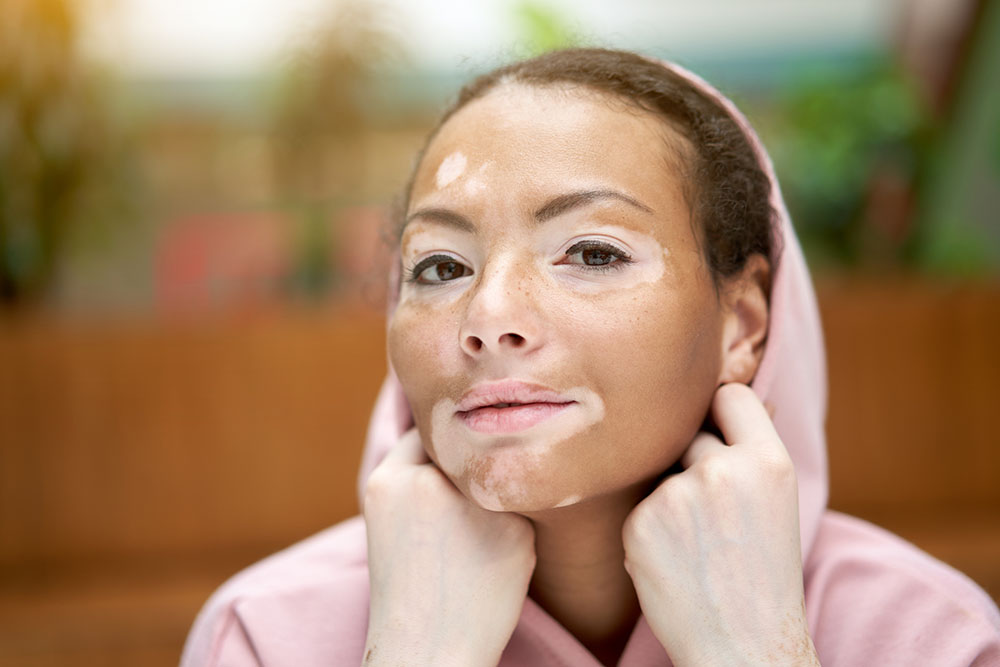
Vitiligo is an autoimmune condition where the immune system destroys melanocytes—the cells that produce pigment (melanin). This causes white or depigmented patches to appear on the skin.
Appearance in Black Skin:
White patches are highly noticeable against dark skin.
Often affects visible areas such as the face, hands, and arms.
May lead to psychological distress due to social stigma and color contrast.
Why Early Treatment Matters:
Because of its contrast on darker skin, vitiligo can significantly impact confidence and mental well-being. At Dr. Bryant’s Black medspa, advanced treatments are available to help restore pigmentation and minimize visibility, including:
Topical corticosteroids or calcineurin inhibitors
Light therapy (narrowband UVB)
Melanin-stimulating treatments and camouflage techniques
Dr. Bryant’s expertise in Black dermatology ensures that vitiligo is treated with cultural understanding and cosmetic sensitivity.
3. Scleroderma
Scleroderma—literally meaning “hard skin”—is an autoimmune disorder that causes inflammation, thickening, and tightening of the skin and, in severe cases, can affect internal organs.
Appearance in Black Skin:
Affected skin may appear shiny, tight, and darker than the surrounding areas.
In later stages, skin can become stiff or leathery.
Pigmentation changes (both darkening and lightening) are common.
Disparities in Severity:
Studies show African Americans with scleroderma tend to have more severe disease and a higher risk of lung involvement. This makes early diagnosis and consistent monitoring essential.
Treatment Focus:
Immunosuppressive therapy to reduce inflammation.
Physical therapy to maintain flexibility.
Topical and laser treatments for pigmentation and texture improvement.
Dr. David Bryant provides comprehensive care for scleroderma patients, focusing on both medical management and skin restoration for long-term relief.
4. Dermatomyositis
Dermatomyositis is a rare autoimmune disease that causes muscle weakness and distinctive skin rashes. It disproportionately affects women and individuals with skin of color.
Appearance in Black Skin:
Rashes may look dark purple, brown, or ashy, especially on the eyelids, neck, and knuckles.
Can cause pain, itching, or burning sensations.
Chronic inflammation may result in scarring and discoloration.
Treatment Options:
Corticosteroids and immunosuppressants.
Physical therapy to manage muscle symptoms.
Sun protection to prevent rash flare-ups.
At World’s Famous Dermatologist, Dr. Bryant also offers pigmentation correction and scar management to restore an even skin tone.
5. Morphea
Morphea is a localized form of scleroderma that causes patches of hardened, discolored skin. It can range from small spots to large plaques that affect mobility or appearance.
In Black and Ethnic Skin:
Lesions may appear dark brown, purple, or gray before becoming lighter.
Over time, they may leave permanent pigment loss or indentations.
Treatment Includes:
Topical steroids or immune-modulating creams.
Light therapy for pigment restoration.
Laser treatments for texture improvement.
Dr. Bryant’s Black medspa offers tailored morphea management that focuses on both medical and cosmetic restoration.
6. Alopecia Areata
Alopecia areata is an autoimmune condition where the immune system attacks hair follicles, leading to patchy hair loss on the scalp, beard, or body.
Impact on Black Women:
It disproportionately affects Black women and children, often compounding issues caused by traction alopecia or chemical damage.
Treatment Options:
Corticosteroid injections into affected areas.
PRP (Platelet-Rich Plasma) therapy to stimulate follicle regrowth.
Scalp care routines developed for Black hair textures.
At World’s Famous Dermatologist, Dr. Bryant’s team of Black estheticians provides specialized scalp treatments and natural regrowth therapies that complement medical care.
Pigmentation and Scarring: A Major Concern in Black Skin
One of the most significant challenges in managing autoimmune diseases in Black skin is post-inflammatory hyperpigmentation (PIH) and scarring. Even after inflammation subsides, affected areas can remain darker (hyperpigmented) or lighter (hypopigmented) for months—or permanently.
Dr. Bryant addresses these concerns through:
Laser and light-based treatments safe for melanin-rich skin.
Topical brightening agents that reduce discoloration without bleaching.
Customized scar revision therapy to restore smoother, even-toned skin.
The Psychological Impact of Autoimmune Diseases on Black Skin
Beyond physical symptoms, autoimmune diseases can take a mental and emotional toll. Visible rashes, pigment loss, and scarring can affect confidence, especially when cultural and beauty standards place a high value on smooth, even-toned skin.
At World’s Famous Dermatologist, patient care extends beyond medical treatment. Dr. Bryant and his team create a supportive, understanding environment that prioritizes mental wellness, self-esteem, and skin positivity—particularly for patients dealing with long-term autoimmune conditions.
Why Choose Dr. David Bryant: The World’s Famous Dermatologist
Dr. David Bryant is a nationally recognized Black dermatologist specializing in autoimmune diseases in Black and ethnic skin. His clinic, World’s Famous Dermatologist, is known for blending advanced medical science with cultural understanding.
Patients choose Dr. Bryant for:
Expertise in Black dermatology and autoimmune skin diseases.
Safe, effective treatment for melanin-rich skin.
Advanced technology and minimally invasive therapies.
Compassionate care from a Black medspa team that understands your unique concerns.
Located in Stockbridge, GA, just minutes from South Atlanta, Dr. Bryant’s clinic proudly serves patients across Henry County, Clayton County, and beyond.
Schedule a Consultation Today
If you’re experiencing symptoms like unusual rashes, skin tightening, white patches, or hair loss, you may be dealing with an autoimmune disease affecting Black skin. Early diagnosis and expert care can prevent permanent scarring and restore your confidence.
📍 Visit www.worldsfamousdermatologist.com to schedule your consultation with Dr. David Bryant, the World’s Famous Dermatologist.